Living with an ADHD Partner: Compassionate Tips to Understand Communication, Emotions, and Build Deeper Connection
Imagine this: You're finally sitting down for a quiet evening together after a long day. You start sharing about your frustrations at work, expecting that familiar back-and-forth rhythm you've always known. But midway through, your partner's eyes glaze over, or they interrupt with a whirlwind of their own thoughts. Suddenly, the connection feels frayed, and you're left wondering, "What's happening here?"
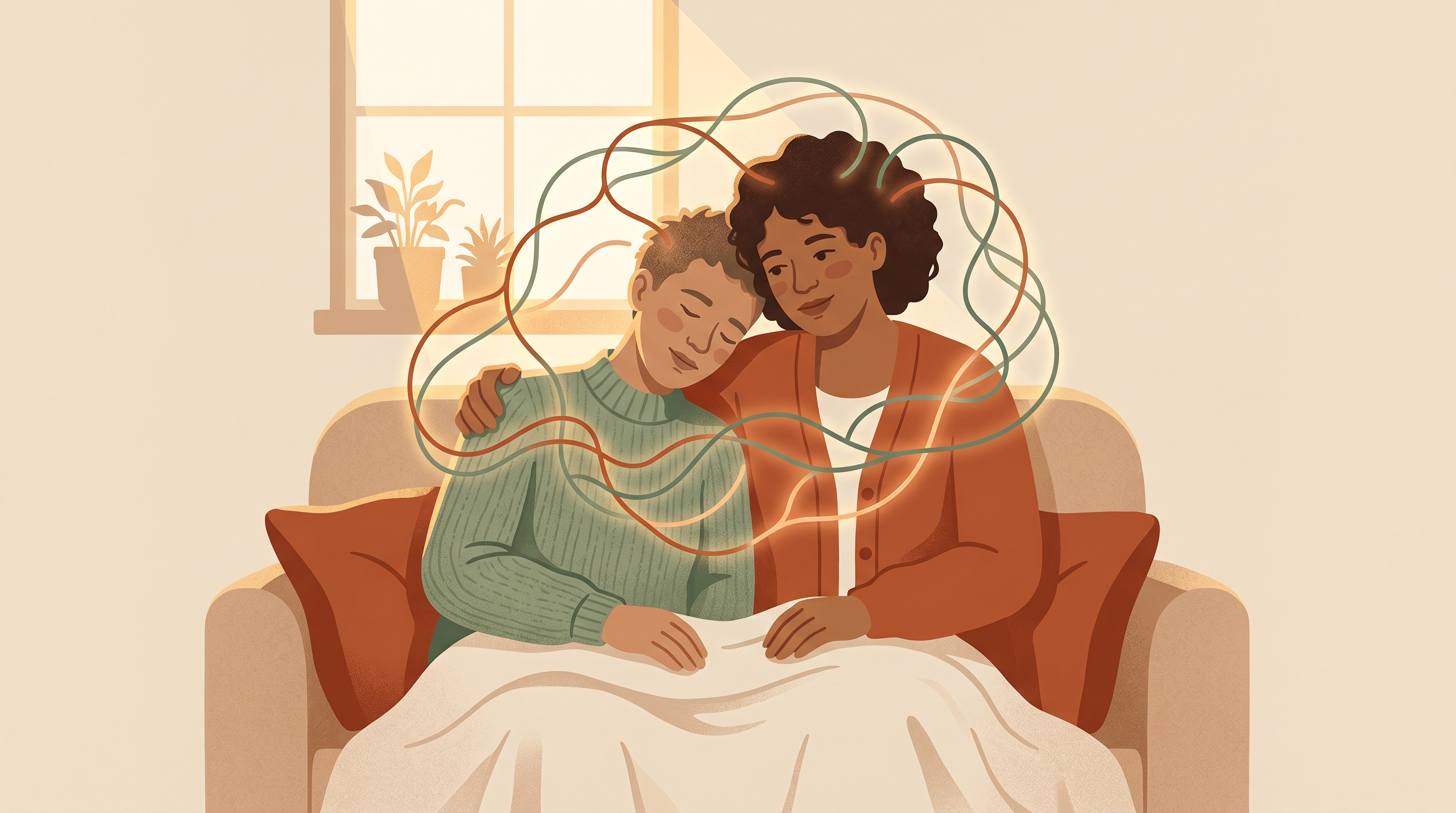
If you're a neurotypical partner living with an ADHD spouse, these moments might feel all too familiar. ADHD in relationships isn't about deficits or flaws—it's about two brains wired differently navigating the beautiful chaos of love. We're here to unpack it with compassion, focusing on what you can do to bridge the gap. Because understanding your ADHD partner's world—the cognitive static, the interest-driven engine humming beneath—can transform frustration into deeper intimacy.
We'll explore executive function ADHD quirks, ADHD communication patterns, emotional dysregulation, and rejection sensitivity dysphoria, all in plain language. No jargon, just practical steps you can take today. Let's build empathy together and watch your bond flourish.
Decoding the ADHD Brain: Your Partner's Inner Workings
Living with an ADHD partner means tuning into a brain that's often running on an interest-driven engine. While your mind might chug along steadily, theirs is fueled by dopamine hits from novelty and passion—what we call the dopamine deficit economy. Routine tasks? They can feel like pushing a boulder uphill without that spark.
Executive Function: The Brain's Overwhelmed Project Manager
Think of executive function in ADHD as the brain's project manager who's juggling a dozen tabs, emails pinging, and coffee spilling everywhere. Planning a date night, remembering to pay bills, or even transitioning from work to home—these aren't laziness; they're drowned out by cognitive static.
What can you do? Pause before assigning tasks. Instead of "Why haven't you done the dishes?" try, "Hey, want to tackle the dishes together? I'll start, you dry." This offloads the mental startup cost, turning "shoulds" into shared wins. You'll see your ADHD spouse light up when collaboration kicks in their engine.
Working Memory: Those Sticky Notes That Keep Slipping
Working memory is like the brain's sticky notes—yours hold firm, but your partner's flutter off mid-sentence. That's why they might forget your request two minutes later or lose track in a conversation.
Practical takeaway: Use visual cues. Jot a quick note on the fridge or set a shared phone reminder. Say, "Let's put this on our joint calendar now." It externalizes the memory load, freeing mental space for connection. No shaming cycles—just teamwork.
Mastering ADHD Communication: From Static to Sync
ADHD communication often feels like talking through a radio with interference. Your partner's mind races ahead, jumping topics via free association, while you're building a linear story. It's not disinterest; it's their interest-driven engine revving.
We neurotypicals crave tidy dialogues, but ADHD brains thrive on tangents that spark joy. The key? Adapt your style without losing yours.
- Gentle redirects: When they veer off, say, "That sounds fun—circling back to what I was saying..." It honors their flow while guiding.
- Short bursts: Keep shares concise. Use bullet points in texts for clarity amid cognitive static.
- Active listening cues: Nod and paraphrase: "So you're saying the project overwhelmed you?" This validates, reducing dropout.
Try this tonight: Set a 10-minute "brain dump" where you both share freely, no interruptions. Watch ADHD communication transform from crossed wires to harmonious rhythm.
Navigating Emotions: ADHD Emotional Dysregulation and Rejection Sensitivity
When Feelings Hit Harder and Linger Longer
ADHD emotional dysregulation means feelings crash like waves in a storm—intense and slow to recede. A minor critique might spiral into a full afternoon funk. It's the brain's volume knob stuck on high.
Your role? Be the steady anchor. Instead of "You're overreacting," soften with, "I see this is really tough for you right now. Want to talk it through?" This diffuses the dopamine deficit economy fueling the intensity.
Rejection Sensitivity: That Hair-Trigger Alarm
Rejection sensitivity in ADHD is like an overzealous smoke detector beeping at burnt toast. Perceived disapproval—even neutral feedback—triggers deep hurt.
A simple "Can you pick up milk?" might land as "You're unreliable."
Shift by sandwiching feedback: Praise first, suggest gently, end positive. "I love how thoughtful you are. Next time, could we plan groceries together? You're amazing at finding deals." Immediate action: Track your tone in arguments—aim for curiosity over correction. Break shaming cycles by assuming good intent.
Practical Ways to Build Deeper Connection Living with Your ADHD Partner
ADHD in relationships thrives on novelty and low-pressure fun. Ditch rigid date nights for spontaneous adventures—your partner's interest-driven engine will purr.
- Co-create routines: Use apps like Todoist for shared lists. Make it gamified: "First to three tasks gets a massage."
- Embrace hyperfocus: When they're locked in (gaming, projects), join or cheerlead. It builds dopamine bonds.
- Scheduled check-ins: Weekly "wins and wobbles" talks. You listen first—no fixes, just empathy.
- Body doubling: Sit nearby while they tackle executive function ADHD hurdles. Your presence quiets the static.
- Affirmation rituals: Daily notes: "Grateful for your creativity today." Counters rejection sensitivity sweetly.
Honesty time: Progress isn't linear. Some days, cognitive static wins. But your consistent compassion? That's the game-changer. We've seen couples go from exasperated to inseparable by focusing here.
Your Next Steps: Start Small, Connect Big
You're already ahead by seeking to understand your ADHD spouse. Pick one tip—like visual reminders or gentle redirects—and try it this week. Notice the shift? That's empathy in action.
Optimism abounds: Relationships with ADHD partners often sparkle with creativity, passion, and loyalty once we adapt. You're not fixing anyone—you're co-creating a love that honors both brains.
Join us in building understanding. Share your story or dive deeper into our resources. Understanding ADHD. Together.